AI Fleet Transformation: A Complete Beginner's Guide to Modern Fleet Management
The transportation and logistics industry stands at a pivotal crossroads where traditional fleet management practices are being revolutionized by artificial intelligence. As companies struggle with rising fuel costs, maintenance challenges, driver safety concerns, and ever-increasing customer expectations, a new paradigm is emerging that promises to address these pain points comprehensively. This transformation isn't just about adopting new technology—it's about fundamentally rethinking how fleets operate, make decisions, and deliver value. For businesses managing vehicle fleets of any size, understanding this shift from reactive to predictive operations has become essential for remaining competitive in an increasingly demanding marketplace.
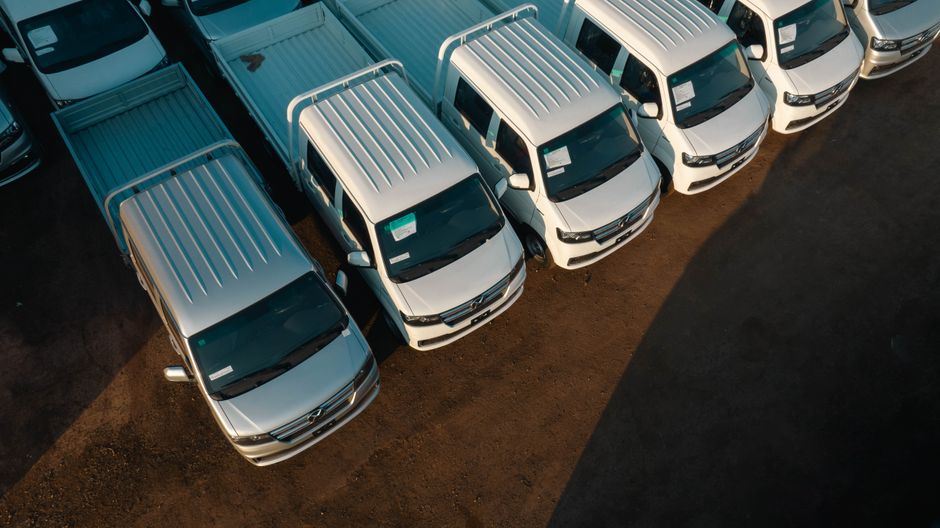
At its core, AI Fleet Transformation represents the integration of machine learning algorithms, predictive analytics, computer vision, and IoT sensor networks into every aspect of fleet operations. This technological convergence enables fleet managers to shift from making decisions based on historical data and gut instinct to leveraging real-time insights and predictive forecasts. The result is a more efficient, safer, and cost-effective fleet operation that can adapt dynamically to changing conditions, anticipate problems before they occur, and optimize resource allocation with unprecedented precision.
Understanding AI Fleet Transformation: The Fundamentals
For those new to the concept, AI Fleet Transformation might seem like an overwhelming technological leap. However, breaking it down into core components makes it more accessible. At the foundation level, AI systems collect vast amounts of data from multiple sources: GPS trackers that monitor vehicle location and movement patterns, telematics devices that capture engine performance metrics, dash cameras that record driver behavior and road conditions, fuel sensors that track consumption patterns, and maintenance systems that log service history and component wear.
What sets AI apart from traditional fleet management software is its ability to process this data intelligently. Rather than simply storing information for manual review, AI algorithms analyze patterns, identify anomalies, predict future events, and even recommend or automatically implement corrective actions. For instance, where a traditional system might alert you when a vehicle breaks down, an AI-powered system predicts the failure weeks in advance based on subtle performance degradation patterns, allowing for scheduled maintenance that prevents costly roadside breakdowns and minimizes operational disruption.
Why AI Fleet Transformation Matters Now More Than Ever
The business case for adopting Fleet Management AI has never been stronger. Industry studies consistently show that AI-enabled fleets achieve 15-25% reductions in fuel consumption through optimized routing and driver behavior coaching. Maintenance costs drop by 20-30% as predictive systems catch problems early and optimize service intervals. Insurance premiums decrease as AI-powered safety systems reduce accident rates by up to 40%. Perhaps most importantly, customer satisfaction improves as delivery times become more predictable and reliable.
Beyond these quantifiable benefits, AI Fleet Transformation addresses several critical challenges facing modern fleet operators. Driver recruitment and retention—one of the industry's most pressing issues—improves when AI systems reduce driver stress through better route planning, provide coaching rather than criticism, and create safer working conditions. Environmental compliance becomes manageable as systems automatically track and optimize emissions. Scalability transforms from a logistical nightmare into a straightforward process, as AI systems handle complexity far better than human managers working with spreadsheets.
The Technology Stack Behind AI Fleet Transformation
Understanding the technological components doesn't require an engineering degree, but familiarity with the key elements helps in making informed implementation decisions. Machine learning models form the analytical brain of the system, learning from historical data to make increasingly accurate predictions about maintenance needs, optimal routes, fuel consumption patterns, and risk factors. These models continuously improve as they process more data, meaning your system becomes smarter over time.
IoT sensors serve as the nervous system, collecting real-time data from every vehicle component. Modern commercial vehicles can generate thousands of data points per second, covering everything from tire pressure and brake temperature to driver eye movement and following distance. Cloud computing platforms provide the processing power and storage capacity needed to handle this data deluge, while edge computing capabilities enable critical decisions to be made instantly at the vehicle level without waiting for cloud communication.
Getting Started: A Practical Roadmap for Beginners
For organizations ready to embark on their AI Fleet Transformation journey, a phased approach typically yields the best results. Starting with a clear assessment of your current state establishes the baseline. Document your existing processes, identify your biggest pain points, quantify current performance metrics, and honestly assess your team's technological capabilities. This assessment phase might reveal that your most pressing issue is fuel costs, maintenance unpredictability, safety concerns, or route inefficiency—each suggesting a different entry point for AI implementation.
The pilot phase represents your first hands-on experience with AI fleet technologies. Rather than attempting a full-fleet transformation immediately, select a subset of vehicles or a specific use case for initial implementation. Many organizations start with predictive maintenance, as it delivers quick ROI and builds confidence in AI capabilities without requiring significant operational changes. Others begin with route optimization, especially if they operate delivery or service fleets where routing directly impacts customer satisfaction and fuel costs.
Choosing the Right Technology Partners
The AI fleet management market has exploded in recent years, with dozens of vendors offering various solutions. Evaluating these options requires looking beyond marketing materials to understand what each platform actually delivers. Key selection criteria should include the system's ability to integrate with your existing infrastructure, the comprehensiveness of its AI capabilities, the quality of its user interface, the vendor's industry track record, and the total cost of ownership including hardware, software, training, and ongoing support.
Organizations seeking to develop custom solutions should explore how AI solution development can be tailored specifically to their unique operational requirements and existing technology ecosystem. Custom development often makes sense for larger fleets with specialized needs or those operating in niche markets where off-the-shelf solutions fall short. However, it requires greater upfront investment and longer implementation timelines compared to commercial platforms.
Building Internal Capabilities and Change Management
Technology alone doesn't ensure successful AI Fleet Transformation—organizational readiness proves equally critical. Your team needs to develop new skills and adapt to new workflows. Fleet managers transition from reactive problem-solvers to strategic analysts who interpret AI recommendations and make higher-level decisions. Dispatchers move from manual route planning to managing AI-suggested routes and handling exceptions. Maintenance technicians shift from responding to breakdowns to executing predictive maintenance schedules.
This transition requires comprehensive training programs that go beyond simple software tutorials. Team members need to understand not just how to use the new systems, but why AI makes certain recommendations, what data drives its decisions, and when human judgment should override algorithmic suggestions. Building this understanding creates buy-in and prevents the common pitfall where sophisticated AI systems get underutilized because staff default to familiar manual processes.
Measuring Success and Iterating
Establishing clear metrics from the outset enables you to track progress and demonstrate ROI. Beyond obvious measures like fuel consumption, maintenance costs, and accident rates, consider tracking leading indicators such as the percentage of maintenance performed predictively versus reactively, route optimization acceptance rates, the accuracy of AI predictions compared to actual outcomes, and user adoption metrics showing how actively your team engages with the system.
Regular review cycles—monthly in the early stages—allow you to identify what's working and what needs adjustment. Perhaps drivers are ignoring route suggestions because they lack context about why changes were made, suggesting a need for better communication tools. Maybe predictive maintenance alerts are generating too many false positives, indicating model tuning requirements. These insights drive continuous improvement, ensuring your Automated Fleet Operations evolve rather than stagnate.
Common Pitfalls and How to Avoid Them
Learning from others' mistakes accelerates your journey. One frequent error is attempting too much too quickly—implementing multiple AI systems simultaneously across the entire fleet creates overwhelming complexity and increases failure risk. Another common pitfall involves insufficient data quality preparation. AI systems are only as good as the data they receive, so garbage in truly means garbage out. Before deploying AI, audit your data sources, implement quality controls, standardize data formats, and establish governance policies.
Neglecting the human element represents perhaps the most critical mistake. When drivers feel monitored rather than supported, when dispatchers perceive AI as threatening their jobs rather than enhancing their capabilities, resistance emerges that can undermine even the most sophisticated technology. Successful implementations frame AI as a tool that makes everyone's job easier and more rewarding, emphasize collaboration between human expertise and machine intelligence, and create feedback loops where users can report issues and suggest improvements.
The Future Landscape of AI Fleet Transformation
Looking ahead, AI Fleet Transformation will only accelerate and deepen. Autonomous vehicles will gradually integrate into commercial fleets, starting with controlled environments like ports and warehouses before expanding to public roads. AI systems will become more sophisticated in their ability to handle complex, multi-variable optimization problems, balancing factors like cost, speed, safety, environmental impact, and customer preferences simultaneously. Integration with smart city infrastructure will enable vehicle-to-infrastructure communication that optimizes traffic flow and reduces congestion.
Sustainability will drive significant AI innovation as companies face increasing pressure to reduce carbon footprints. AI systems will optimize not just for cost and efficiency but for environmental impact, recommending electric vehicle adoption strategies, identifying optimal charging schedules, and even coordinating with renewable energy availability to minimize carbon-intensive charging. These capabilities will transform fleet electrification from a challenging mandate into a competitive advantage.
Conclusion
Embarking on an AI Fleet Transformation journey represents a significant commitment, but it's increasingly becoming a competitive necessity rather than an optional enhancement. By starting with a clear understanding of the fundamentals, taking a phased implementation approach, building internal capabilities alongside technological deployment, and maintaining focus on continuous improvement, organizations of any size can successfully navigate this transformation. The key is viewing AI not as a single project with a defined endpoint, but as an ongoing evolution that will fundamentally reshape how fleets operate. As you begin this journey, remember that the goal isn't perfection from day one—it's steady progress toward smarter, safer, more efficient operations. For those ready to take the next step, exploring comprehensive frameworks for Intelligent Automation provides valuable strategic guidance that can accelerate your transformation while avoiding common implementation pitfalls.


Comments
Post a Comment