AI Supply Chain Management: A Complete Beginner's Guide for 2026
The global supply chain landscape has undergone radical transformation over the past decade, with artificial intelligence emerging as the most powerful catalyst for change. Organizations across industries are discovering that traditional supply chain methods can no longer keep pace with modern consumer expectations, volatile market conditions, and increasingly complex logistics networks. Understanding the fundamentals of artificial intelligence in supply chain operations has become essential for business leaders, logistics professionals, and anyone involved in moving goods from origin to destination.
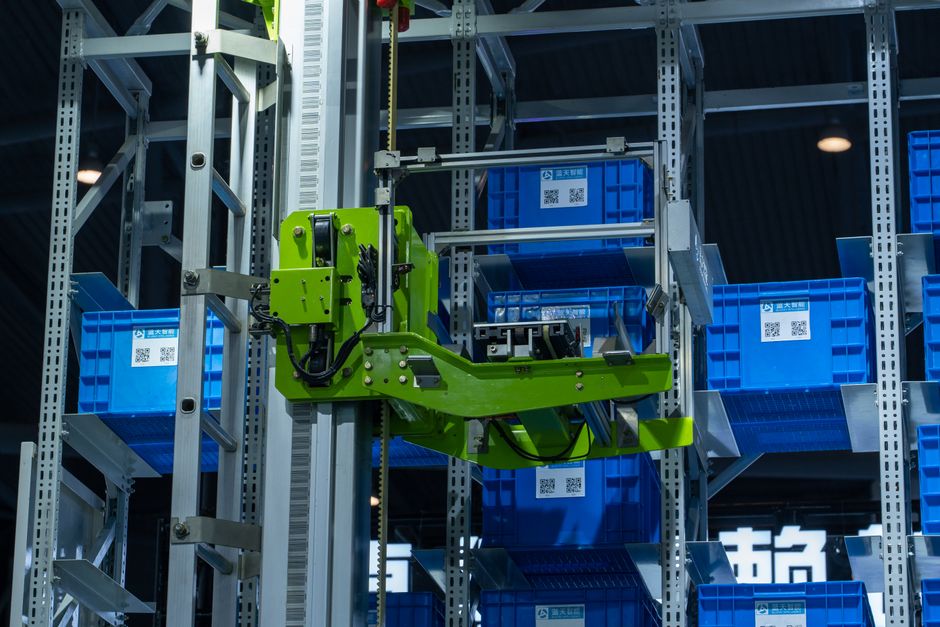
For those new to this technology domain, AI Supply Chain Management represents the integration of machine learning algorithms, predictive analytics, and cognitive computing systems into every stage of the supply chain lifecycle. This comprehensive guide will walk you through everything you need to know to understand, evaluate, and begin implementing these transformative technologies in your organization.
Understanding AI Supply Chain Management: Core Concepts and Technologies
At its foundation, AI Supply Chain Management encompasses a suite of intelligent technologies that automate decision-making, predict future scenarios, and optimize resource allocation across procurement, production, warehousing, distribution, and delivery functions. Unlike traditional software that follows predetermined rules, AI systems learn from historical data patterns and continuously improve their performance over time.
The technology stack typically includes several key components. Machine learning models analyze vast datasets to identify trends invisible to human analysts. Natural language processing enables systems to interpret unstructured data from emails, contracts, and supplier communications. Computer vision technology monitors warehouse operations and inspects product quality. Predictive analytics forecast demand fluctuations weeks or months ahead with remarkable accuracy.
What distinguishes modern AI applications from earlier automation efforts is their ability to handle uncertainty and complexity. Traditional supply chain software operates on fixed parameters and requires manual updates when conditions change. AI systems adapt dynamically, learning from new information and adjusting their recommendations in real-time as market conditions evolve.
Why AI Supply Chain Management Matters Now More Than Ever
The business case for adopting artificial intelligence in supply chain operations has never been more compelling. Companies implementing these technologies report inventory reduction rates of 20-50%, fulfillment speed improvements of 30-40%, and overall cost savings reaching into millions of dollars annually. But the benefits extend far beyond simple cost reduction.
Customer expectations have fundamentally shifted in the e-commerce era. Consumers now expect same-day or next-day delivery, real-time tracking visibility, and accurate delivery windows. Meeting these expectations through manual planning and traditional systems has become virtually impossible at scale. Supply Chain Optimization powered by AI makes these service levels achievable and sustainable.
Risk management represents another critical driver. Recent global disruptions—from pandemics to geopolitical tensions to climate events—have exposed the fragility of just-in-time supply chains. AI systems can model thousands of potential disruption scenarios, recommend alternative suppliers before shortages occur, and dynamically reroute shipments to avoid delays. This resilience capability alone justifies the investment for many organizations.
Competitive Advantages of Early Adoption
Organizations that implement AI Supply Chain Management early gain substantial first-mover advantages. They develop proprietary datasets that improve their AI models over time, creating a widening performance gap versus competitors. They attract talent more easily, as skilled professionals prefer working with cutting-edge technologies. They also secure premium service from vendors who prioritize their most technologically advanced clients.
Getting Started: Your First Steps Toward Implementation
Beginning your journey with AI-powered supply chain systems requires careful planning and realistic expectations. The most successful implementations follow a phased approach rather than attempting wholesale transformation overnight.
Start by conducting a comprehensive assessment of your current supply chain maturity. Document existing pain points, data infrastructure, and technology capabilities. Identify specific business problems where AI could deliver measurable value—perhaps demand forecasting in a particular product category, route optimization for a distribution region, or inventory management in specific warehouses. These focused use cases provide clear success metrics and manageable scope for initial projects.
Data preparation represents the most time-consuming aspect of AI implementation. Your algorithms are only as effective as the data they learn from. Begin consolidating data from disparate systems—your ERP, warehouse management system, transportation management system, and supplier portals. Clean this data by resolving inconsistencies, filling gaps, and standardizing formats. Many organizations discover that this data governance work, while unglamorous, delivers value even before AI models go live.
Building Your AI Team and Selecting Partners
Few organizations possess all necessary AI expertise in-house initially. Successful implementations typically combine internal domain experts who understand supply chain operations with external data scientists and AI specialists. This hybrid approach ensures that technical capabilities align with business realities.
When evaluating technology vendors, prioritize those with proven supply chain experience rather than generic AI platforms. Request case studies from similar industries and company sizes. Insist on pilot projects with defined success criteria before committing to enterprise-wide rollouts. The vendor landscape includes both specialized point solutions addressing specific functions and comprehensive platforms spanning multiple supply chain domains. Your choice depends on organizational readiness, existing technology investments, and strategic objectives.
Measuring Success and Building on Initial Wins
Establishing clear metrics before implementation enables you to demonstrate value and secure ongoing support. Logistics Transformation initiatives should track both operational KPIs and business outcomes. Operational metrics might include forecast accuracy, on-time delivery percentage, inventory turnover, and capacity utilization. Business outcomes encompass cost savings, revenue growth from improved service levels, and working capital reduction.
Create baseline measurements of these metrics before AI deployment, then monitor changes rigorously. Be patient—most AI systems require 3-6 months of learning before reaching optimal performance. Document quick wins and share success stories across the organization to build momentum and overcome resistance.
As initial projects prove successful, develop a roadmap for expanding AI Supply Chain Management capabilities. Prioritize extensions that leverage existing data infrastructure and technical expertise. Consider moving from demand forecasting to integrated sales and operations planning, or from route optimization to comprehensive network design. Each successive project becomes easier as your organization develops AI literacy and your data foundation matures.
Common Pitfalls to Avoid as a Beginner
Many organizations stumble during their AI journey by making predictable mistakes. The most common error is treating AI as purely a technology initiative rather than a business transformation. Executive sponsorship from operations leadership—not just IT—proves essential for success. Supply chain teams must drive requirements and adoption, with technology serving as an enabler.
Another frequent pitfall involves underestimating change management requirements. Even the most sophisticated AI system fails if workers don't trust its recommendations or understand how to act on them. Invest heavily in training, create feedback loops for system improvement, and celebrate employees who effectively leverage AI tools rather than fear being replaced by them.
Finally, avoid perfectionism in your initial efforts. Many projects stall while teams attempt to build comprehensive solutions addressing every conceivable scenario. Start narrow, deliver value quickly, learn from real-world performance, and iterate. An 80% accurate demand forecast deployed and used beats a 95% accurate model still in development.
Conclusion: Your Path Forward in AI-Driven Supply Chains
The journey toward AI Supply Chain Management begins with education, continues through careful planning, and succeeds through persistent execution. This guide has provided the foundational knowledge you need to understand the technology, recognize its value, and take those crucial first steps toward implementation. Remember that every advanced practitioner started exactly where you are now—with curiosity, questions, and a willingness to learn. The organizations thriving in 2026 and beyond will be those that embrace Intelligent Automation across their supply chain operations, transforming raw data into competitive advantage and operational excellence.


Comments
Post a Comment