Understanding AI in Supply Chain: A Beginner's Guide
The integration of technology in supply chain management has become increasingly crucial for businesses aiming to remain competitive in today's global marketplace. One of the most transformative elements of this technological shift is the application of artificial intelligence (AI). As a tool for enhancing efficiency and responsiveness, AI in Supply Chain has numerous implications for inventory control, demand forecasting, and operational excellence.
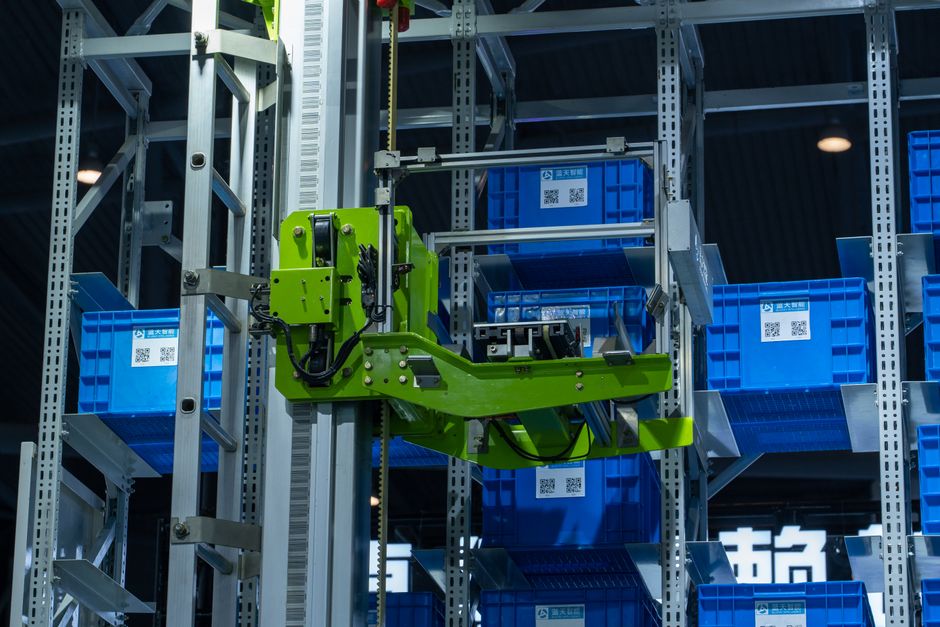
AI in Supply Chain encompasses various technologies that automate and optimize processes, leading to significant improvements in overall productivity. Implementing AI in Supply Chain is not merely about replacing human workers; it's about augmenting their capabilities and enhancing decision-making through data-driven insights.
What is AI in Supply Chain?
AI in Supply Chain refers to the use of artificial intelligence technologies to streamline and improve supply chain operations. This can include everything from machine learning algorithms predicting inventory needs to robotics automating warehouse functions. The goal is to enhance efficiency, reduce costs, and improve customer satisfaction through smarter logistics decisions.
Why AI in Supply Chain Matters
The significance of AI in Supply Chain cannot be overstated. By utilizing AI, companies can achieve faster response times to market demands, optimize their delivery routes, and reduce operational costs. Furthermore, the predictive capabilities of AI can help businesses forecast customer demand more accurately, leading to better inventory management and minimized waste.
How to Get Started with AI in Supply Chain
Starting your journey into AI in Supply Chain requires a strategic approach. Here are key steps to consider:
- Identify specific challenges in your current supply chain operations that AI can help resolve.
- Invest in the right technology and tools, including data analytics platforms and automation software.
- Train your workforce for the new AI-driven processes, ensuring that they understand how to use new technologies effectively.
- Continuously measure the impact of AI implementations to refine your strategies.
Conclusion
As companies increasingly recognize the potential of Intelligent Automation in supply chain management, the demand for skilled professionals who can navigate these technologies will also rise. Embracing AI not only leads to operational excellence but also positions businesses competitively for the future.


Comments
Post a Comment