Future Trends: Intelligent Automation in Supply Chain Management
As we delve into the intricate landscape of supply chain dynamics, it is clear that the integration of intelligent automation is poised to reshape how organizations operate. Manufacturers are increasingly adopting advanced technologies, such as AI and machine learning, to enhance operational efficiency and improve responsiveness to market changes.
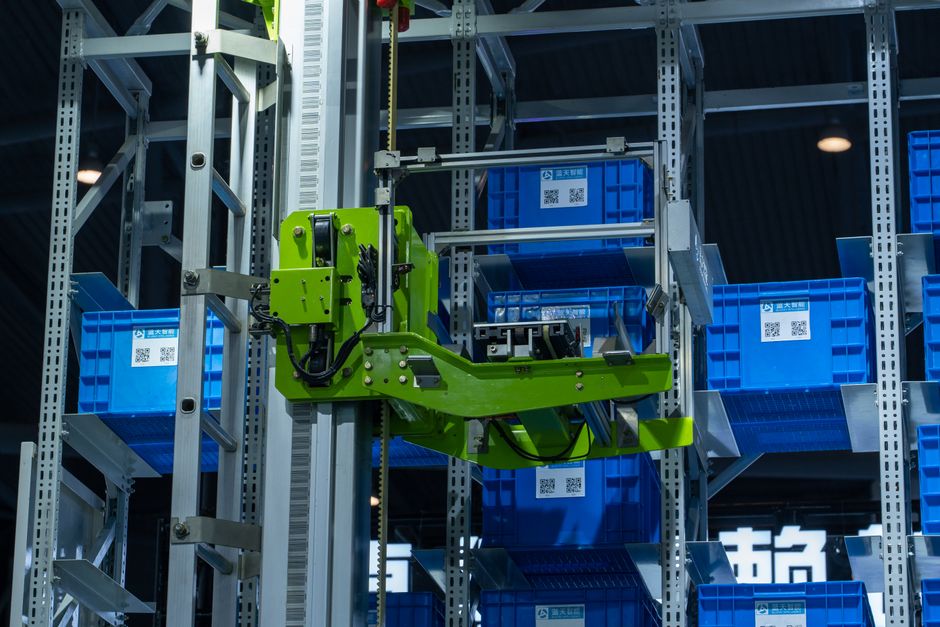
This transformation underscores the significance of Intelligent Automation in Supply Chain, a concept that is quickly becoming a critical driver for success within the industry. By leveraging these tools, supply chain managers can optimize inventory levels, forecast demand with greater accuracy, and significantly enhance overall supply chain visibility.
The Emerging Role of AI and Machine Learning
One of the most notable trends is the use of AI and machine learning in demand forecasting and inventory optimization. Traditional methods often rely heavily on historical data, which may no longer be sufficient in today’s rapidly fluctuating market. Companies like Siemens and Honeywell are investing in AI solutions that analyze vast amounts of data in real-time, enabling more precise forecasting and proactive decision-making.
These intelligent systems allow for a more responsive supply chain, adapting to changes and disruptions with agility. The reliance on real-time analytics can significantly mitigate risks associated with demand variability and lead time reduction. For instance, by deploying intelligent algorithms, businesses can maintain optimal stock levels and avoid excess inventory, leading to lower operational costs.
Real-time Supply Chain Visibility: Breaking Barriers
Challenges and Solutions
In many manufacturing settings, a primary pain point is the lack of real-time inventory visibility. Organizations often grapple with disparate systems that fail to communicate effectively, resulting in inefficiencies that impact order fulfillment and procurement management.
- AI solutions can integrate various data sources, providing a unified view of inventory across all stages of the supply chain.
- This seamless connectivity enables better tracking of goods and more informed decision-making regarding safety stock levels.
The Road Ahead: Strategic Integration
The future of supply chains lies not just in technology adoption but in the strategic integration of these advanced systems. Providers must yield to outcomes-driven methodologies, ensuring that their key performance indicators (KPIs) reflect the transformative power of Intelligent Automation in Supply Chain technologies.
Organizations will need to invest in talent capable of managing and interpreting data from these intelligent systems. Additionally, fostering relationships with suppliers who share the same dedication to innovation is crucial for success. To further explore the potential of AI across various contexts, check out strategic AI solution development for insights into future advancements.
Conclusion
In conclusion, the next 3-5 years will be pivotal for supply chains across industries. By harnessing Intelligent Data Agents, organizations can navigate challenges and unlock new efficiencies, ultimately redefining the parameters of success within supply chain management.


Comments
Post a Comment