Understanding Smart Manufacturing AI: A Comprehensive Beginner's Guide
In today's rapidly evolving manufacturing landscape, the integration of artificial intelligence (AI) is no longer a futuristic concept but a concrete reality. This innovation is reshaping the way industries approach production, efficiency, and decision-making. Understanding Smart Manufacturing AI is essential for organizations aiming to remain competitive and agile.
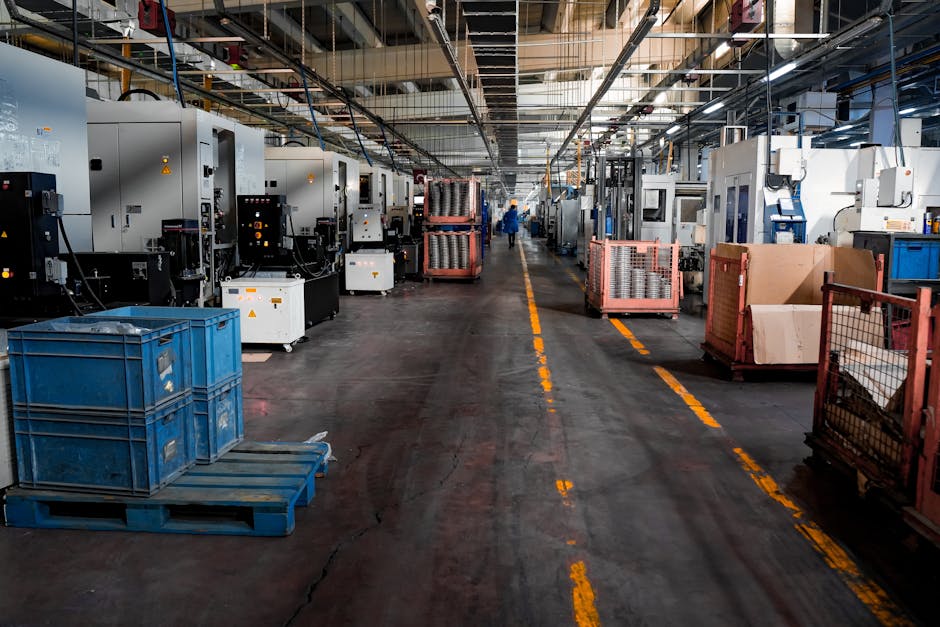
The term Smart Manufacturing AI encapsulates a spectrum of technologies that leverage AI to enhance manufacturing processes. From predictive maintenance to digital twin technology, these tools allow companies to optimize operations and enhance product quality significantly.
What is Smart Manufacturing AI?
Smart Manufacturing AI refers to the application of artificial intelligence technologies to improve manufacturing processes. This includes the use of machine learning algorithms, real-time data analytics, and Internet of Things (IoT) devices that work together to create a more efficient and responsive manufacturing environment. These systems can analyze vast amounts of data from the production floor to make real-time decisions that enhance overall equipment effectiveness (OEE).
Why Does Smart Manufacturing AI Matter?
The significance of Smart Manufacturing AI lies in its ability to address several critical challenges within the manufacturing sector. Companies face increasing pressure to reduce operational costs, improve supply chain resilience amid frequent disruptions, and meet higher standards for product quality and regulatory compliance.
Enhancing Operational Efficiency
One of the core benefits of implementing AI in manufacturing is operational efficiency. By adopting AI-driven predictive maintenance solutions, manufacturers can forecast equipment failures before they occur, reducing downtime and repair costs. This approach aligns closely with lean manufacturing principles, which emphasize the importance of minimizing waste.
- Real-time performance monitoring
- Proactive maintenance scheduling
- Enhanced machine learning models for accuracy
How to Start Your Journey with Smart Manufacturing AI
Embarking on the journey towards Smart Manufacturing AI requires a well-defined strategy. Consider beginning with a thorough assessment of your current manufacturing processes to identify improvement areas. Next, engage in cross-functional collaboration to ensure alignment among stakeholders.
Implementing a manufacturing execution system (MES) can serve as a strong foundation. These systems integrate various processes, allowing for better visibility into factory floor management and assisting in data analysis for informed decision-making.
The Role of Digital Twin Technology
Digital twin technology is revolutionizing how manufacturers interact with their processes. By creating a virtual replica of the physical manufacturing environment, companies can simulate various scenarios before implementing changes. This reduces risks and enhances quality control engineering protocols, allowing for higher compliance with industry standards.
Scale Up with AI Solutions
As businesses begin their transition to Smart Manufacturing AI, it’s essential to scale AI solutions appropriately. Partnering with skilled providers of AI solution development can facilitate a smoother implementation and help companies leverage existing infrastructure while expanding their digital capabilities.
Conclusion
Understanding and implementing Smart Manufacturing AI can significantly impact manufacturers' operational effectiveness. The potential for predictive maintenance, improved supply chain management, and enhanced product quality makes it an essential focus area. To explore how you can further integrate AI into your operations, consider looking into AI Transformation Services.


Comments
Post a Comment