Implementing Intelligent Automation Logistics: A Complete Step-by-Step Guide
The logistics industry stands at a transformative crossroads. Traditional supply chain operations, characterized by manual processes and fragmented systems, increasingly struggle to meet the demands of modern commerce. Real-time visibility, predictive analytics, and autonomous decision-making are no longer competitive advantages but operational necessities. Organizations that delay implementing intelligent automation risk falling irreparably behind competitors who have already begun their digital transformation journey.
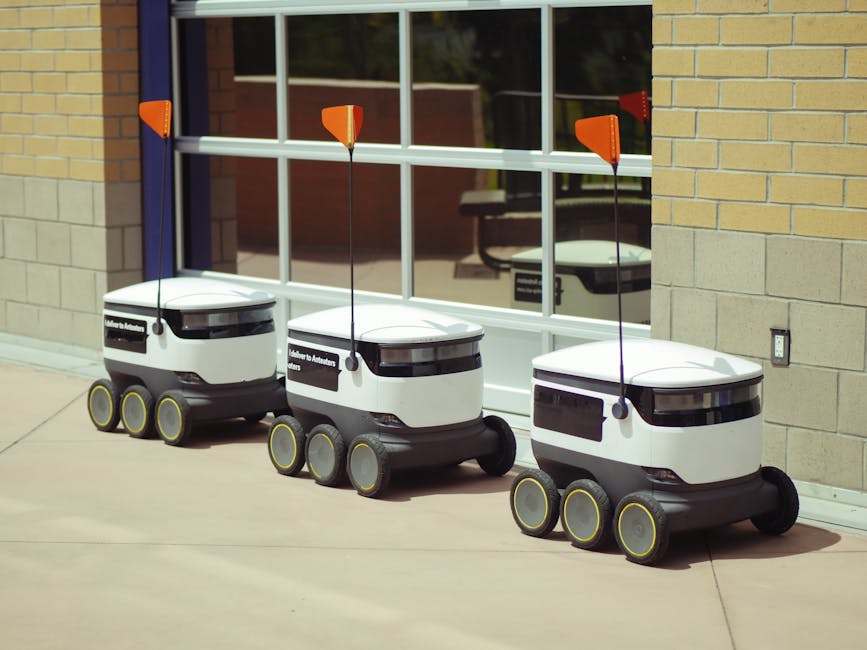
This comprehensive guide walks you through implementing Intelligent Automation Logistics from initial assessment through full deployment and optimization. Whether managing a regional distribution network or a global supply chain, these proven steps provide a roadmap for successful automation adoption that delivers measurable results within the first year of implementation.
Understanding the Foundation of Intelligent Automation Logistics
Before initiating any automation project, understanding what distinguishes intelligent automation from basic digitization proves essential. Intelligent Automation Logistics combines artificial intelligence, machine learning, robotic process automation, and Internet of Things sensors to create self-optimizing supply chain ecosystems. Unlike simple automation that follows predetermined rules, intelligent systems learn from data patterns, adapt to changing conditions, and make autonomous decisions that improve operational efficiency.
The foundation rests on three pillars: data integration, algorithmic intelligence, and autonomous execution. Data integration consolidates information from transportation management systems, warehouse management platforms, enterprise resource planning software, and IoT sensors into unified data lakes. Algorithmic intelligence applies machine learning models to identify patterns, predict disruptions, and recommend optimal actions. Autonomous execution implements decisions through robotic systems, automated vehicles, and software bots that operate with minimal human intervention.
Organizations must recognize that Intelligent Automation Logistics represents a paradigm shift rather than a technology upgrade. Success requires cultural transformation alongside technical implementation. Teams transition from executing tasks to managing exceptions, from following procedures to optimizing algorithms, and from reactive problem-solving to proactive system design.
Step One: Comprehensive Assessment and Strategic Planning
Every successful implementation begins with thorough assessment of current operations. Document existing workflows across receiving, storage, picking, packing, shipping, and returns processing. Map data flows between systems, identifying integration points and information silos. Measure baseline performance metrics including order accuracy, fulfillment speed, inventory turnover, transportation costs, and labor productivity. This baseline establishes the foundation for measuring automation impact.
Conduct stakeholder interviews across operations, IT, finance, and leadership teams. Understanding pain points, strategic priorities, and cultural readiness informs realistic implementation timelines and change management strategies. Warehouse managers might prioritize picking accuracy while finance focuses on inventory carrying costs and executives emphasize customer satisfaction metrics. Successful projects align automation capabilities with these diverse priorities.
Identify quick wins alongside long-term transformation objectives. Quick wins might include automating repetitive data entry tasks or implementing predictive analytics for demand forecasting. These early successes build organizational momentum and demonstrate value before tackling complex integration projects. Developing a phased roadmap that sequences initiatives based on business value, technical complexity, and resource requirements creates sustainable transformation rather than overwhelming the organization.
Step Two: Technology Selection and Vendor Evaluation
The automation technology landscape offers overwhelming choices. Distinguishing between marketing promises and proven capabilities requires rigorous evaluation frameworks. Begin by categorizing technologies into physical automation (autonomous mobile robots, automated storage and retrieval systems, robotic picking arms) and digital automation (predictive analytics platforms, transportation optimization software, intelligent document processing).
Evaluate solutions against specific criteria: scalability to accommodate growth, interoperability with existing systems, vendor stability and support capabilities, total cost of ownership including implementation and maintenance, and proven results in comparable environments. Request detailed case studies from organizations with similar operational profiles. Site visits to facilities using proposed technologies reveal implementation realities that marketing materials obscure.
Consider whether to pursue best-of-breed point solutions or integrated platforms. Point solutions offer specialized capabilities but create integration complexity. Platforms provide unified experiences but may compromise on specific features. Most successful implementations adopt hybrid approaches, selecting integrated platforms for core functionality while incorporating specialized solutions for unique requirements. Partnership with experienced AI solution developers accelerates evaluation and ensures selections align with long-term strategic objectives rather than short-term tactical needs.
Step Three: Pilot Implementation and Validation
Resist the temptation to implement enterprise-wide automation simultaneously. Pilot projects in controlled environments validate technology performance, refine workflows, and develop organizational capabilities before scaling. Select pilot locations that represent broader operational characteristics while remaining manageable in scope. A single distribution center or specific product category allows focused attention without jeopardizing critical operations.
Define clear success criteria before pilot launch. Metrics should include both quantitative measures (picking accuracy improvement, cycle time reduction, error rate decrease) and qualitative assessments (user satisfaction, ease of use, exception handling effectiveness). Establish control groups using traditional methods alongside pilot operations to enable valid comparisons and isolate automation impact from seasonal variations or market changes.
Document everything during pilot operations. Capture technical issues, workflow adjustments, training requirements, and unexpected challenges. These insights prove invaluable during broader deployment, preventing repeated mistakes and accelerating implementation timelines. Involve front-line operators throughout pilots, incorporating their feedback into system configurations and establishing champions who become advocates during organizational rollout.
Step Four: Full-Scale Deployment and Integration
Successful pilots validate technology and prepare organizations for broader deployment. Develop detailed rollout plans addressing technical implementation, workforce training, change management, and performance monitoring. Sequence deployments to maintain operational continuity, avoiding simultaneous changes across critical systems or peak demand periods.
Integration with existing systems often presents the greatest technical challenge. Legacy warehouse management systems, transportation platforms, and enterprise software frequently lack modern APIs or require custom middleware. Allocate sufficient time and resources for integration development and testing. Data quality issues hidden in manual processes become critical when feeding automated systems. Implementing data governance practices ensures automation receives accurate, consistent information.
Logistics Automation succeeds through continuous optimization rather than set-and-forget deployment. Establish feedback loops that monitor system performance, identify improvement opportunities, and implement refinements. Machine learning models require ongoing training with fresh data to maintain accuracy. Algorithms optimized for historical patterns need adjustment as business conditions evolve. Creating dedicated optimization teams responsible for continuous improvement sustains long-term value creation.
Step Five: Workforce Development and Change Management
Technology capabilities mean nothing without skilled teams to operate, manage, and optimize automated systems. Intelligent Automation Logistics transforms job requirements rather than eliminating positions. Warehouse associates transition from manual picking to supervising robotic systems and handling exceptions. Transportation planners shift from creating routes manually to optimizing algorithmic recommendations. IT staff evolve from maintaining systems to developing analytical capabilities.
Invest heavily in training programs that develop new competencies. Technical training covers system operation, troubleshooting, and basic configuration. Analytical training builds capabilities in data interpretation, performance analysis, and optimization techniques. Change management training helps teams embrace new ways of working and overcome resistance to automation.
Communication throughout implementation addresses fears, clarifies expectations, and celebrates successes. Regular updates on project progress, transparent discussions of workforce impacts, and visible leadership commitment create environments where teams view automation as opportunity rather than threat. Organizations that successfully navigate this cultural transformation consistently outperform those focused solely on technology deployment.
Step Six: Measurement, Optimization, and Continuous Improvement
Implementing automation marks the beginning rather than the end of the transformation journey. Sophisticated monitoring frameworks track key performance indicators across operational efficiency, financial performance, customer satisfaction, and employee engagement. Automated dashboards provide real-time visibility while analytical reports identify trends and improvement opportunities.
Compare actual results against baseline measurements and projected benefits. Acknowledge shortfalls honestly while identifying root causes and remediation strategies. Some performance gaps stem from technical issues requiring system adjustments. Others reflect change management challenges needing additional training or communication. Still others reveal unrealistic initial projections that require recalibration.
Supply Chain Optimization through intelligent automation represents an ongoing journey rather than a destination. Technologies evolve, business requirements shift, and competitive pressures intensify. Organizations that establish cultures of continuous improvement, embrace experimentation, and maintain willingness to challenge assumptions sustain competitive advantages long after initial implementations. Regular capability assessments identify emerging technologies worth evaluating and sunset outdated systems that no longer deliver value.
Conclusion
Implementing Intelligent Automation Logistics transforms organizations from reactive responders to proactive optimizers. The journey from initial assessment through full deployment demands technical expertise, strategic vision, and organizational commitment. Organizations that follow structured implementation approaches, learn from pilot experiences, invest in workforce development, and embrace continuous improvement realize substantial returns through reduced costs, improved service levels, and enhanced competitive positioning. As automation capabilities expand into adjacent domains, the lessons learned in logistics provide valuable foundations for broader enterprise transformation. The principles and practices proven in supply chain automation increasingly apply to other operational domains, including how Generative AI Insurance applications are revolutionizing risk assessment and claims processing through similar intelligent automation approaches. The time to begin your automation journey is now, before competitive pressures make transformation a matter of survival rather than strategic advantage.


Comments
Post a Comment